Fandango & RT Brand Content, Programming & Analytics Leadership

Overview
Led cross-platform content and programming operations for Fandango and Rotten Tomatoes across owned-and-operated platforms, syndication partners, and strategic brand partnerships, integrating real-time analytics into daily decision-making while establishing executive-facing reporting frameworks and strategic planning infrastructure.
Expanded the function beyond content publishing to include KPI ownership, OKR alignment, and brand goal setting across teams.
Role
Produced and managed the Fandango weekly original video series Weekend Ticket and Frontrunners - overseeing scheduling, talent booking, creative development, reporting - delivering final assets on time, on brand, and on budget.
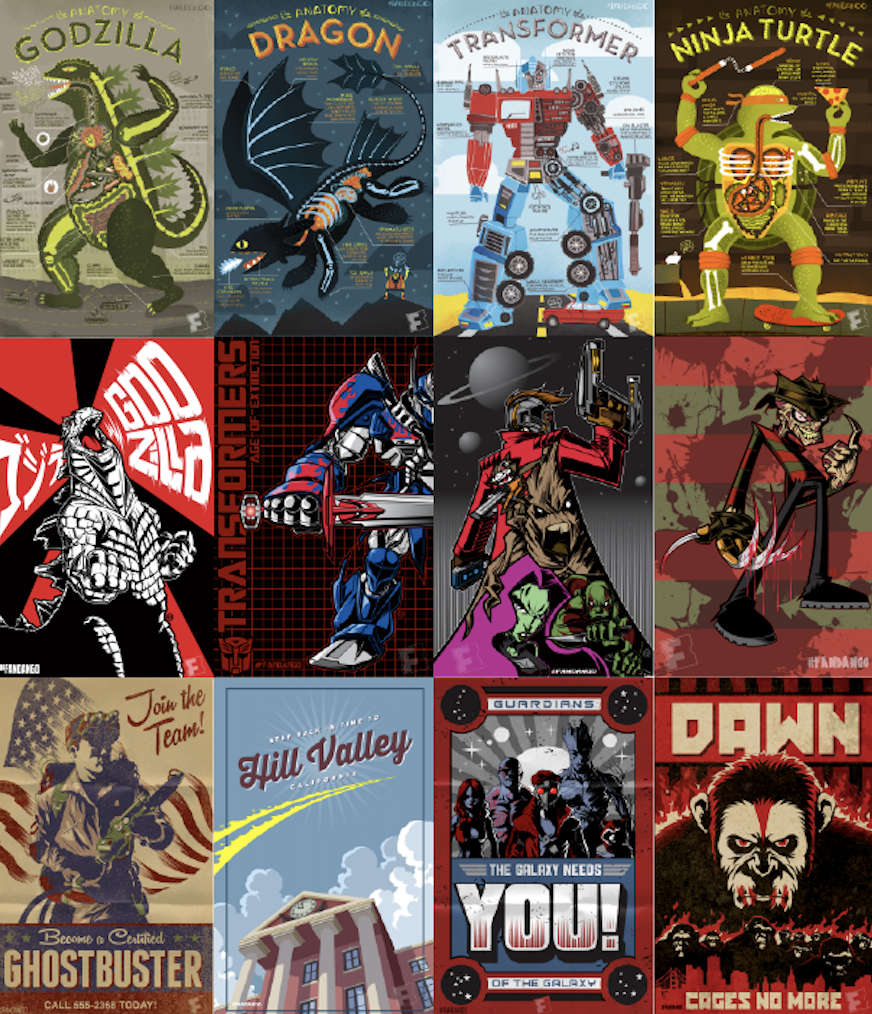
Collaborated with 30+ entertainment artists and studios to produce experiential Fandango content including movie-inspired pop-up galleries and commissioned fan art campaigns, supporting engagement and IP-driven activations.
Owned Fandango production timelines and budgets, managing all documentation and vendor relationships (SOWs, W-9s, MSAs, etc.) to keep projects on track and audit-ready.
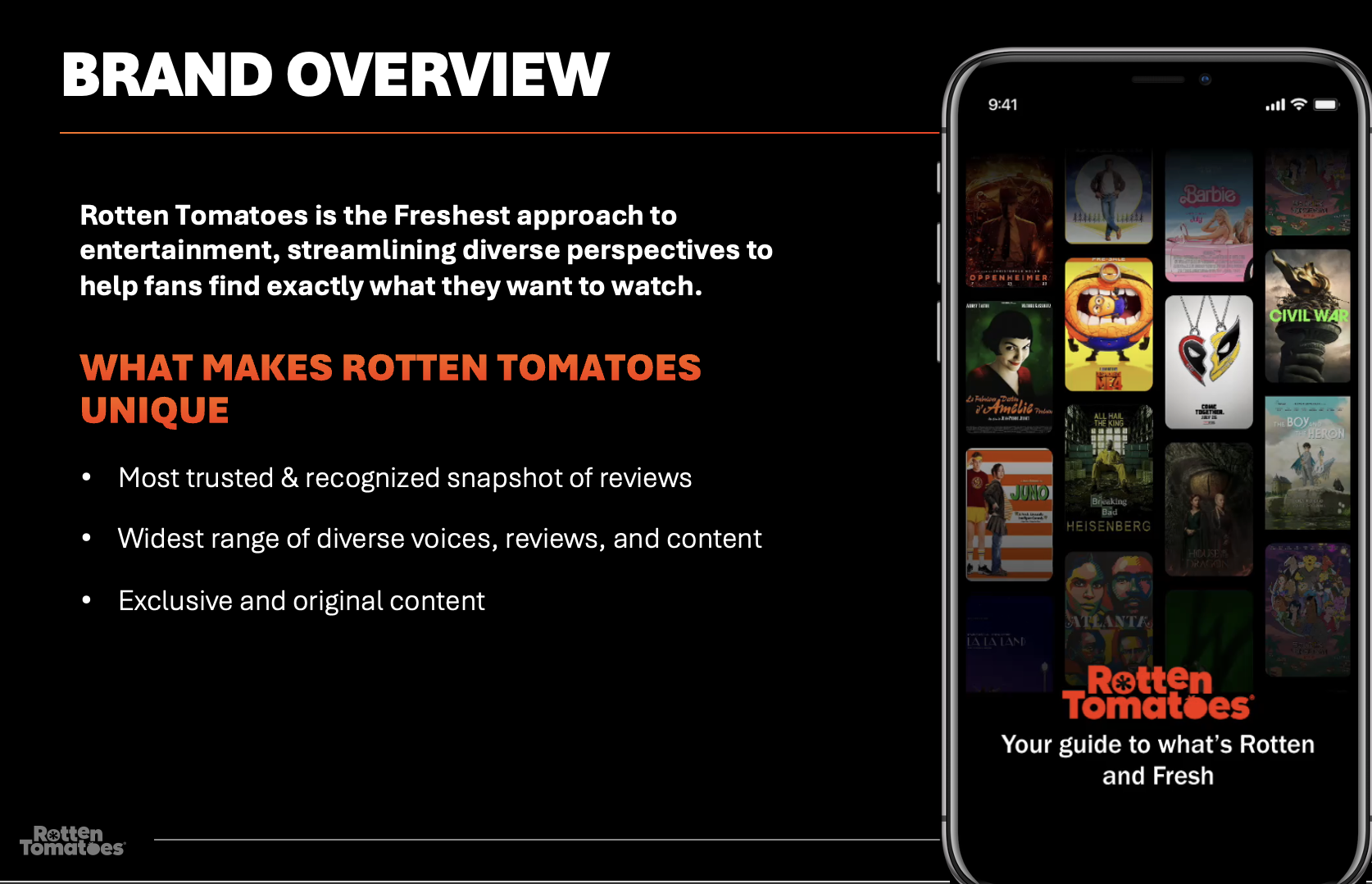
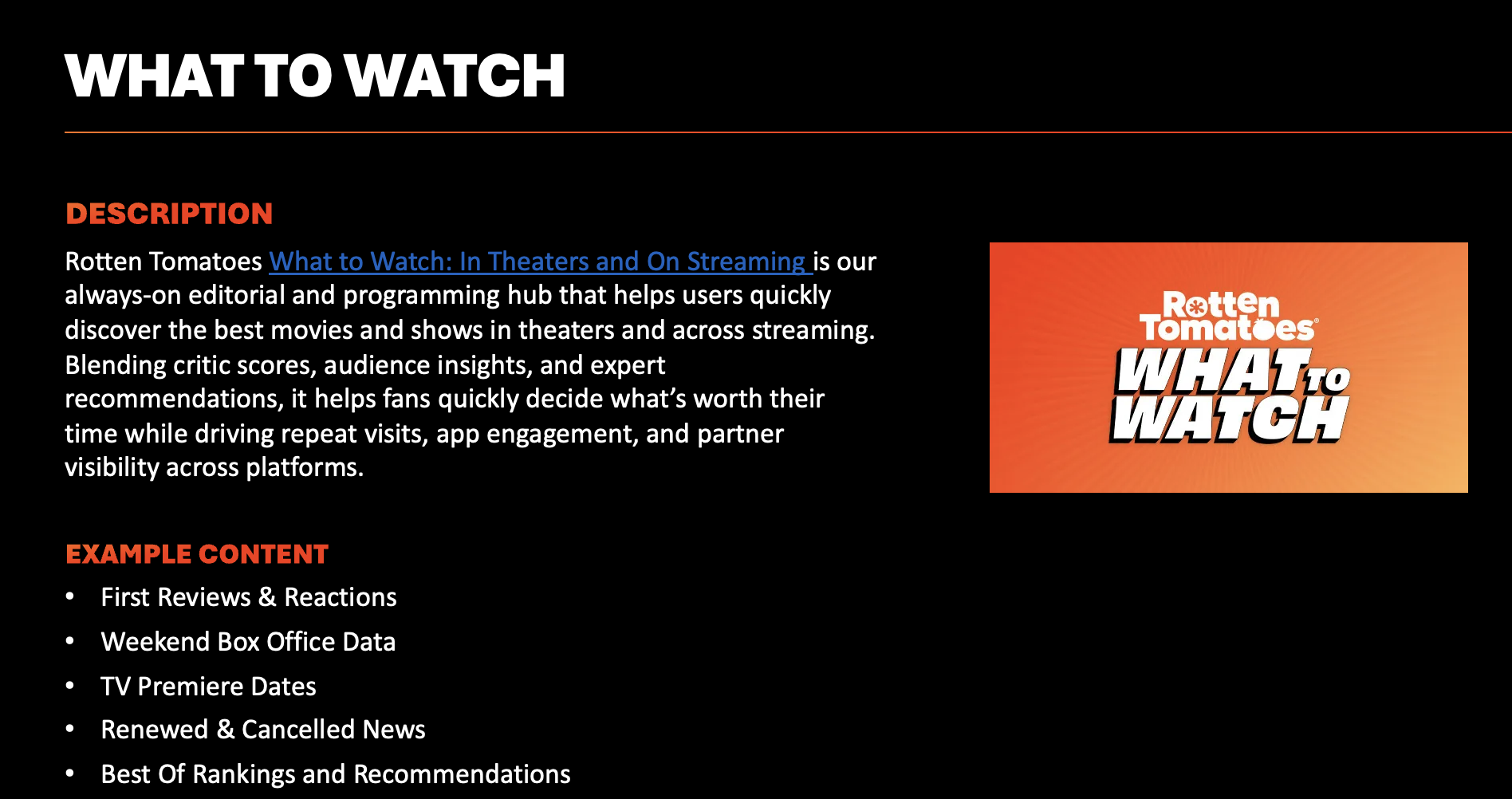
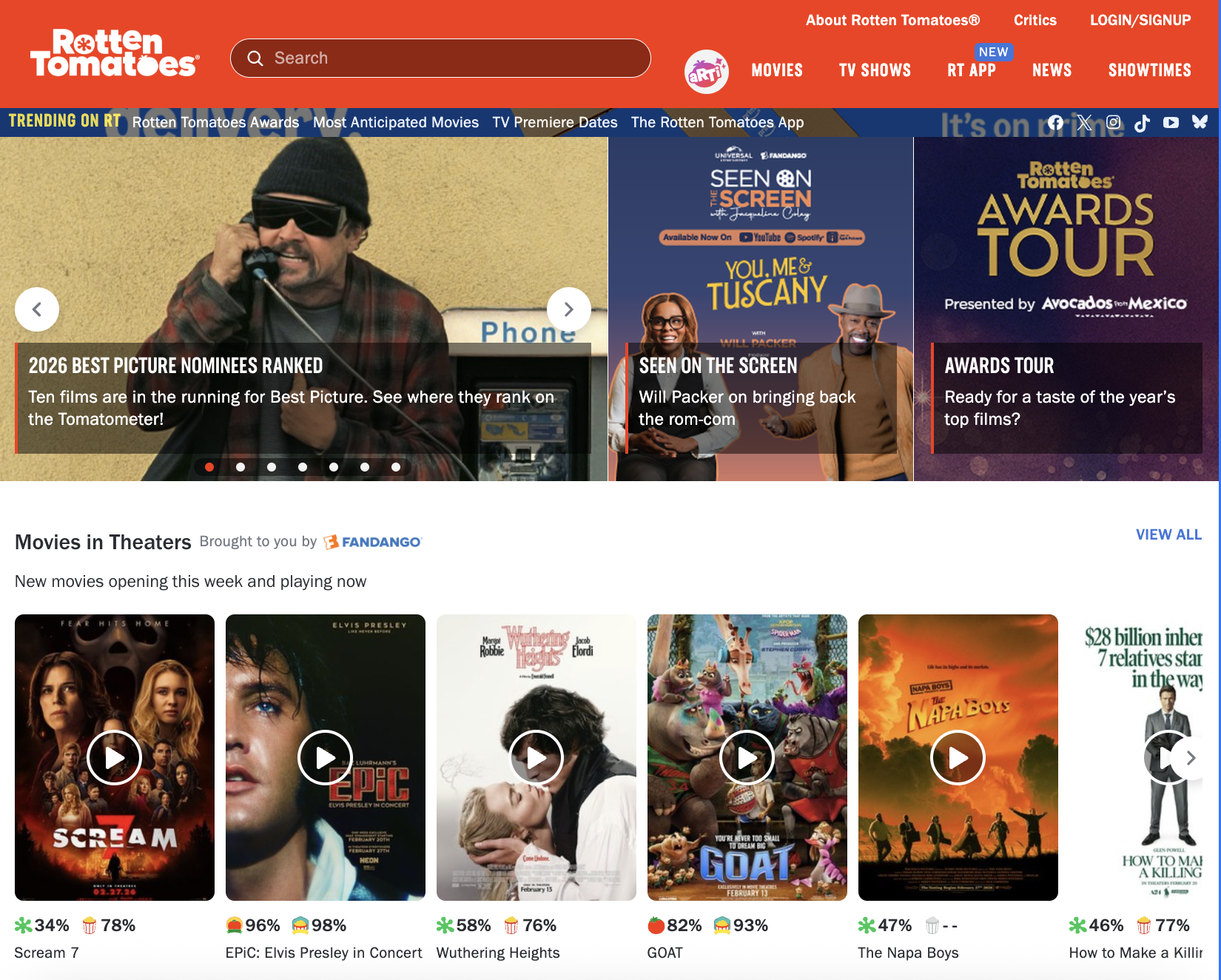
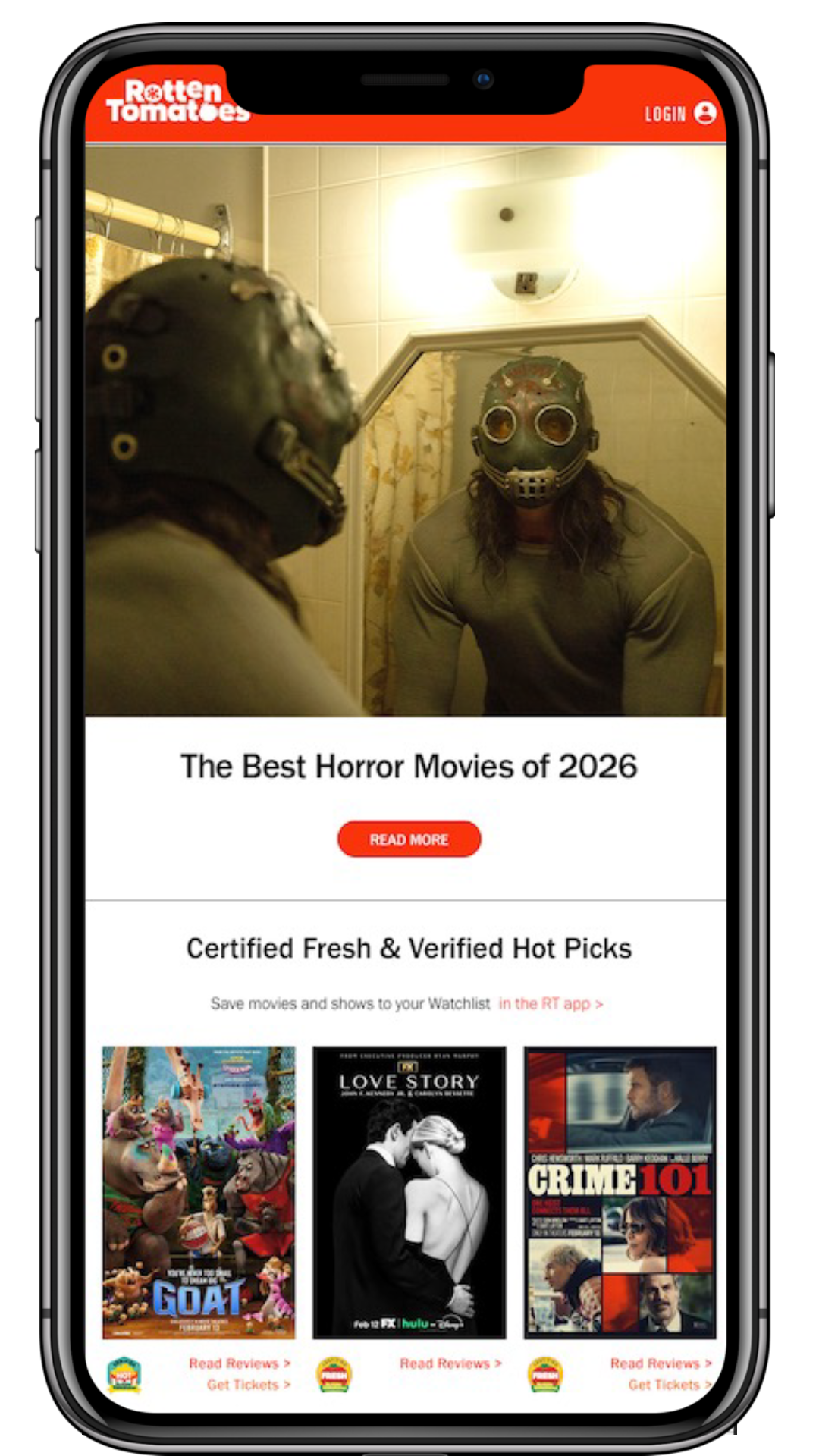
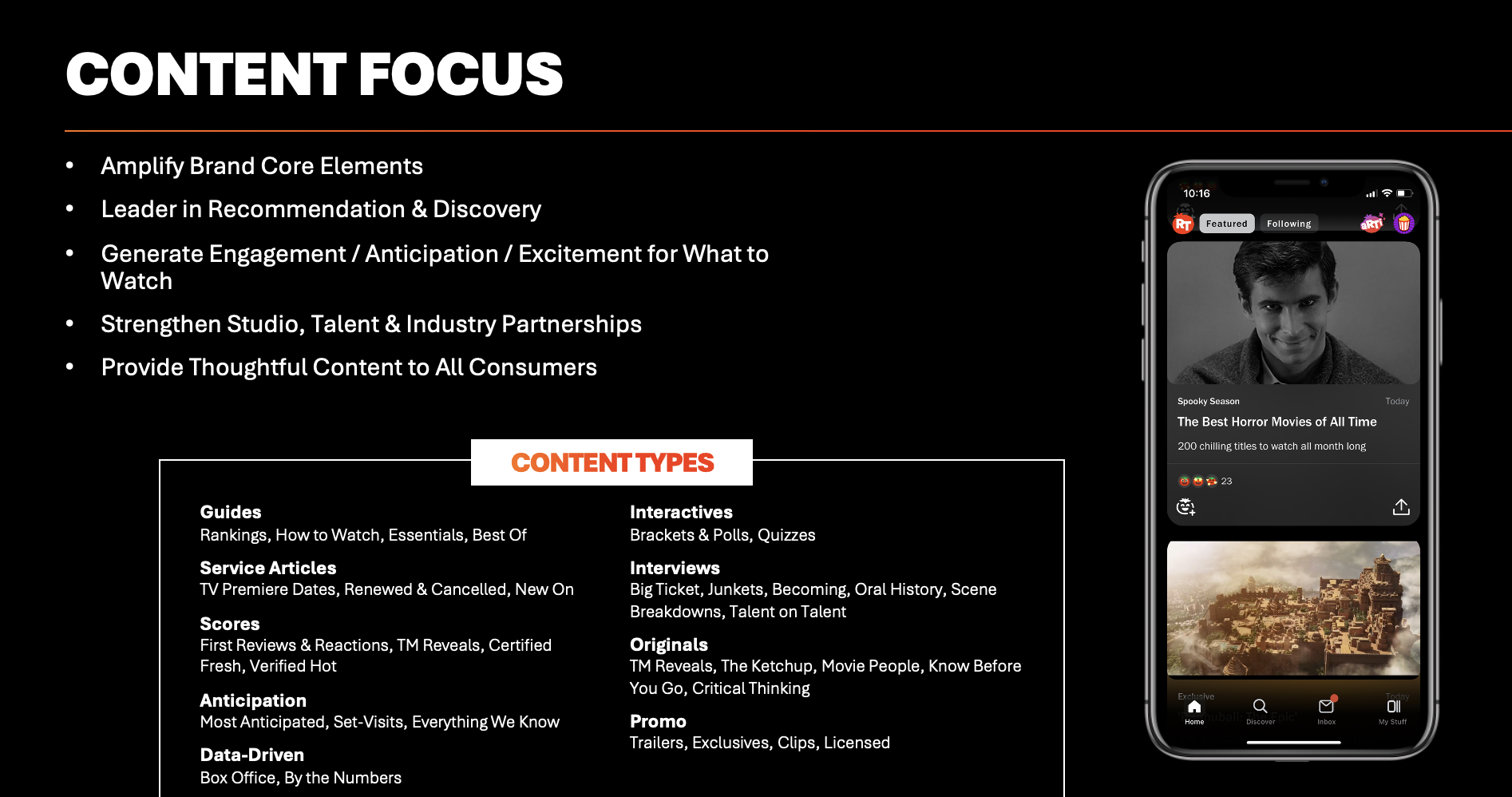
Directed Rotten Tomatoes and Fandango daily content programming across homepage, app, and newsletters
Integrated analytics into brand programming prioritization and content flow
Created and led weekly and monthly brand performance meetings
Built executive-ready KPI trackers and leadership decks for RT
Led Rotten Tomatoes OKR development and tracking for content and audience growth
Helped define and align brand-level performance goals


Challenge
As the brands expanded globally across web, mobile, and syndication channels, editorial operations risked becoming reactive rather than strategically aligned.
We needed to:
Create clearer visibility into performance metrics
Align programming decisions with company OKRs
Standardize reporting across leadership stakeholders
Improve cross-functional communication between editorial, production and marketing
The goal was to shift from publishing velocity to measurable strategic impact.
Strategy
1. Analytics-Driven Programming
Integrated Adobe, Looker, and Chartbeat signals into daily editorial workflows
Built structured processes and criteria tied to programming, content creation, and audience engagement
Used data to inform content creation, headline testing, module prioritization, and IP positioning
2. Executive Reporting & Deck Creation
Created recurring executive leadership dashboards and decks outlining KPIs, performance trends, and growth initiatives
Built quarterly OKR presentations and agendas tying brand initiatives to business objectives
Standardized reporting frameworks to improve clarity across stakeholders
3. Team Meeting Revamp & Alignment
Reformatted weekly and monthly content meetings to be focused, high-impact, and more engaging while still giving us performance and priority updates.
Introduced KPI review segments into recurring team cadence
Established clearer goal ownership across functions
4. Brand Goal Setting
Contributed to defining measurable brand goals tied to audience growth and engagement
Ensured editorial strategy aligned with product and monetization priorities
Helped shape annual planning conversations through performance insights
Results
Increased executive visibility into brand performance and growth metrics
Improved alignment between content, product, and revenue teams
Shifted programming culture toward measurable impact
Strengthened OKR accountability across the organization
Impact
Transformed content operations from a publishing engine into a performance-aligned strategic function — integrating analytics, executive reporting, and structured planning into the core of the content organization.